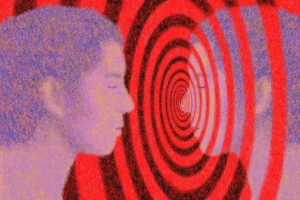

Subliminal messages hypnosis combines guided attention and suggestion with sensory cues that are intended to remain below conscious awareness. The idea is appealing because it suggests that repeated, subtle prompts might support changes in mood, habits, confidence, or performance without requiring constant deliberate focus. However, subliminal recordings should be understood realistically: they are not a guaranteed shortcut, and the evidence for lasting change from subliminal material alone is limited. This hypnosis discussion naturally leads into exploring different subliminal content formats and their intended effects.
What subliminal hypnosis involves
Hypnosis generally uses focused attention, relaxation, and suggestion. Subliminal messaging, by contrast, attempts to present words, images, or sounds so faintly or briefly that a person does not consciously identify them. A subliminal hypnosis recording may combine a conventional guided session with quiet phrases beneath music, nature sounds, or other background audio.
This differs from ordinary hypnotic suggestion. In a standard hypnotic exercise, the listener is usually aware of the instructions and can consider them consciously. Subliminal approaches depend on cues that are masked, reduced in volume, obscured, or shown too briefly for clear conscious recognition.
Common forms of subliminal content
Layered or masked audio
Audio tracks may place spoken phrases beneath music, ambient sounds, or other recordings. Some creators alter the volume or sound frequencies so that the words are difficult to distinguish while the main track remains easy to hear. The result can vary depending on the quality of the recording, the level of masking, headphones or speakers, and the listener’s surroundings.
Brief visual cues
Visual subliminal material can use very short flashes of text or images, low-contrast overlays, or pictures incorporated into a larger design. Whether a cue is noticed depends on factors such as screen size, frame rate, image contrast, and the viewer’s attention. A message that is too obscure to notice may also be difficult to interpret or meaningfully process.
Reversed audio and backmasking
Backmasking reverses speech or other sounds before placing them in a track that is played normally. It is often associated with novelty or creative audio effects. Claims that reversed speech reliably produces therapeutic or behavioral effects are not well established, so it should not be treated as a validated treatment method.
Why people use subliminal hypnosis
People commonly seek these recordings for relaxation, confidence building, performance support, or habit-related goals. Some use them alongside efforts to improve sleep routines, reduce smoking, manage stress, or reinforce skills and positive self-talk. Others listen during quiet activities because they find the format convenient. Explore how meditation subliminal tracks complement hypnosis-based subliminal messaging techniques for deeper mental conditioning.
In a therapeutic or coaching setting, subliminal material may be presented as an adjunct to active work rather than a replacement for it. Conscious practice, behavioral changes, education, and appropriate professional support remain important parts of addressing most meaningful personal goals.
What the evidence can and cannot show
Research has indicated that subliminal cues can sometimes prime simple associations or produce short-lived changes in perception under controlled conditions. That finding does not demonstrate that a hidden message can create major, permanent changes in personality, health, or behavior.
Outcomes may be influenced by a person’s motivation, expectations, the surrounding context, and how consistently they engage with a broader change strategy. A recording may help someone relax or focus because of its music, structure, repetition, or openly stated suggestions, rather than because of information that is genuinely outside conscious awareness. Strong promises of instant transformation or guaranteed cures should therefore be treated cautiously.
Consent and ethical boundaries
People should know when a recording contains embedded suggestions and, ideally, should be able to review the wording and purpose of those suggestions. Hidden persuasion becomes especially concerning when used to influence people without their knowledge, including in advertising, political communication, or other situations where they have not provided informed consent.
Extra care is appropriate for children and for people experiencing mental health difficulties or other vulnerabilities. Subliminal recordings should not be presented as a substitute for medical or psychological care, and health-related claims should be evaluated with particular skepticism.
How to use subliminal content more safely
- Choose material from a creator who clearly explains the method and discloses the suggested wording.
- Set modest expectations and treat the recording as an optional supplement, not a stand-alone cure.
- Keep playback at a comfortable, safe listening level.
- Do not listen while driving, cycling in traffic, or operating machinery.
- Stop using the recording if it increases anxiety, disturbs sleep, or causes other unwanted effects.
- Consider speaking with a licensed mental health professional or qualified hypnotherapist if your goal involves significant distress, addiction, trauma, or a medical condition.
A practical perspective
Subliminal messages hypnosis may be interesting as a personal-development tool, but its value should not be exaggerated. Transparent content, informed consent, realistic goals, and active participation provide a more responsible foundation than relying on hidden messages alone. Used cautiously, a subliminal track may fit within a wider plan for relaxation, habit support, or performance practice; it should not replace evidence-based care or deliberate effort.