
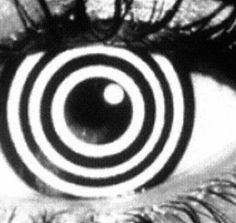
Many people are curious about hypnosis but wonder whether they will be able to enter a hypnotic state. The short answer is that responsiveness varies, and there is no single sign that proves someone can or cannot be hypnotized. Hypnosis is generally understood as a cooperative state of focused attention, relaxation, and increased openness to suggestion. Your expectations, ability to concentrate, imagination, and level of trust in the setting can all affect the experience. Use hypnotic susceptibility tests to decide whether advanced techniques and clinical applications of hypnosis will benefit you.
What hypnotizability really means
Hypnosis is not the same as sleep, unconsciousness, or surrendering control. During a session, people commonly remain aware of what is happening and can choose whether to accept a suggestion. The experience may feel deeply relaxed, mentally absorbed, or similar to becoming lost in a book, film, or daydream.
Responsiveness is not an all-or-nothing trait. Some people notice only calmness and improved concentration, while others experience vivid imagery, altered sensations, or a different sense of time. A person’s response may also change depending on the purpose of the session, the method used, and the relationship with the practitioner.
Signs you may respond well to hypnosis
Everyday experiences can offer clues about your ability to become absorbed and use imagination. You may be more responsive if you:
- Become fully absorbed in stories, music, films, or other activities.
- Can hold your attention on one task for a period of time.
- Visualize places, objects, sounds, or physical sensations with reasonable detail.
- Find it easy to relax when guided through slow breathing or muscle relaxation.
- Are willing to participate rather than approaching the session as a test you must pass.
These qualities do not guarantee a particular result. They simply overlap with skills often used in hypnosis, such as focused attention, mental imagery, and willingness to follow instructions.
Simple ways to explore your response
You can try a brief, low-pressure exercise to see how you respond to guided relaxation and suggestion. Choose a quiet place, sit comfortably, and make sure you will not be interrupted. Do not practice while driving or doing anything that requires your full attention.
Focused-attention exercise
Choose a comfortable point to look at and breathe slowly for a few minutes. Notice whether your attention becomes steadier, your eyes feel tired, or your body begins to relax. You can then close your eyes and observe whether the feeling of concentration continues. The goal is not to force a dramatic experience; simply notice what happens.
Progressive relaxation exercise
Slowly bring your attention to different muscle groups, gently tensing and releasing them if comfortable. As you relax, imagine a sense of warmth or heaviness spreading through your body. You might notice slower breathing, reduced muscle tension, tingling, or a floating sensation. These responses can indicate relaxation and absorption, but they are not a formal measure of hypnotizability. If you can be hypnotized, consider hypnotic pain management as a nonpharmacologic option to explore.
Imagination exercise
Imagine holding a lemon. Picture its color and texture, then imagine cutting it open and noticing its smell and taste. Some people experience vivid sensory reactions, while others form only a general concept of the fruit. Both responses are normal. The exercise is intended to explore imagery, not to diagnose anything.
How to interpret what happens
A subtle response does not mean hypnosis will be ineffective. Feeling calmer, concentrating more easily, or becoming absorbed in an image may be enough for some goals, including relaxation and stress management. More noticeable experiences, such as time seeming to pass unusually quickly or sensations changing during imagery, may reflect deeper absorption, but dramatic effects are not required.
Conversely, difficulty relaxing during one exercise does not prove that you are unable to be hypnotized. Distractions, anxiety, unfamiliar instructions, skepticism, or a poor fit with the technique can all affect the experience. A trained practitioner may use a different approach or adjust the pace to suit you.
When professional guidance makes sense
Self-exploration may be appropriate for relaxation, but consider professional help when your goal involves persistent pain, phobias, smoking cessation, significant behavioral patterns, or distress connected with past experiences. Discuss your expectations, relevant health information, and any concerns before beginning. A responsible practitioner should explain the process, obtain your consent, and avoid promising guaranteed results.
People dealing with severe untreated psychological symptoms or a complex trauma history should avoid attempting intensive techniques without suitable professional support. Hypnosis should complement—not replace—medical or mental-health care when that care is needed.
Set realistic expectations
Hypnosis works best as a collaborative skill rather than a test of willpower. Clear goals, regular practice, and a comfortable relationship with the practitioner can all influence the experience. You remain an active participant, and hypnosis does not require you to reveal information or act against your values.
The most useful question is not simply, “Can I be hypnotized?” It is, “Can I use focused attention and guided suggestion in a way that supports my goal?” A calm, open-minded experiment can help you answer that question without demanding a dramatic result.